Hi,
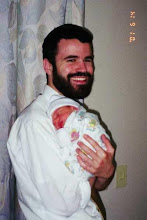
After a brit milah (circumcision), a berachah is recited upon a cup of wine, followed by a second berachah, and then a prayer is recited on behalf of the baby, including the naming. Some are careful to drink from the cup before the additional prayer, but this is not necessary; that prayer is not an interruption in the eyes of Jewish law.
(Rivivot Ephraim 1:150:1)
Have a great day,
Mordechai
Showing posts with label Berachot (Blessings): Hefsek (Interruption). Show all posts
Showing posts with label Berachot (Blessings): Hefsek (Interruption). Show all posts
Sunday, August 10, 2014


Sunday, July 13, 2014
Speaking before hamotzi
Hi,
One should not speak at all after washing one's hands with the ritual netilat yadayim until after reciting the hamotzi blessing on the bread, and chewing and swallowing.
However: One who speaks briefly between netilat yadayim and hamotzi, such as by telling someone the time, need not wash again and recite a new blessing.
(Rivivot Ephraim 1:132)
Have a good day,
Mordechai
Sunday, July 6, 2014
Talking after netilat yadayim
Hi,
One should not speak after the ritual netilat yadayim hand-washing, before reciting the berachah and beginning to dry his hands. However, one who does speak at that point need not wash again, so long as he was careful not to touch anything that would trigger a new obligation to wash.
(Rivivot Ephraim 1:128)
Have a great day,
Mordechai
Sunday, May 25, 2014
An interruption during an aliyah
Hi,
If the oleh (person who ascends to the Torah for an aliyah) recites the opening berachah, and then speaks before the reading begins, then he must recite a new opening berachah.
If the baal keriah (person reading the aliyah aloud) speaks after the opening berachah and before beginning the reading, there is no need for a new opening berachah.
(Rivivot Ephraim 1:102)
Have a great day,
Mordechai
Thursday, September 20, 2012
Amen after Shehechiyanu recited at Kiddush
Hi,
One who recited Shehechiyanu when lighting Yom Tov candles still responds Amen after the Shehechiyanu of the person who recites kiddush. Saying 'Amen' is not considered an inappropriate interruption between kiddush and drinking, because the berachah of Shehechiyanu is necessary for the person reciting kiddush.
(Rav Moshe Feinstein, Igrot Moshe Orach Chaim 4:101:1)
Gmar tov,
Mordechai
Thursday, September 8, 2011
Berachah on candy while travelling, Part II
Hi,
One who is eating candy inside a building, and who then decides to leave the room while continuing to eat, should first stop eating for several minutes, then re-start with a new berachah while travelling. The berachah he recited in the building, without intent to travel, does not cover his eating in other locations.
(Rav Moshe Feinstein, Igrot Moshe Orach Chaim 2:57)
Have a great day,
Mordechai
Wednesday, September 7, 2011
Berachah on candy while travelling, Part I
Hi,
One who begins eating candy just before travelling recites a berachah before the first candy, and that includes all of the candy he will add while travelling so long as he does not pause for several minutes. This assumes that the availability of the additional candy was anticipated from the start, and did not need acquisition.
New candy purchased en route would require a new berachah, even if he had anticipated the purchase from the start.
(Rav Moshe Feinstein, Igrot Moshe Orach Chaim 2:57)
Have a great day,
Mordechai
Wednesday, August 31, 2011
Translating a berachah
Hi,
One may not recite a berachah's translation in between the berachah and the moment one begins eating; the translation would constitute an unacceptable interruption.
(Rav Moshe Feinstein, Igrot Moshe Orach Chaim 2:49)
Have a great day,
Mordechai
One may not recite a berachah's translation in between the berachah and the moment one begins eating; the translation would constitute an unacceptable interruption.
(Rav Moshe Feinstein, Igrot Moshe Orach Chaim 2:49)
Have a great day,
Mordechai
Tuesday, August 30, 2011
A prayer before eating bread
Hi,
One may not add prayers after washing for bread and before the "HaMotzi", even if those prayers relate to the meal itself. At best this is an interruption between washing and HaMotzi, and at worst, if the prayer is intended to be a regular service, it is also a violation of "Bal Tosif", the prohibition against adding regular prayer.
(Rav Moshe Feinstein, Igrot Moshe Orach Chaim 2:48)
Have a great day,
Mordechai
Subscribe to:
Posts (Atom)